The river is quiet at six, and full of everyone by noon.

Habitat München / 6 Min /  Simone Hörmann↗
making others visible
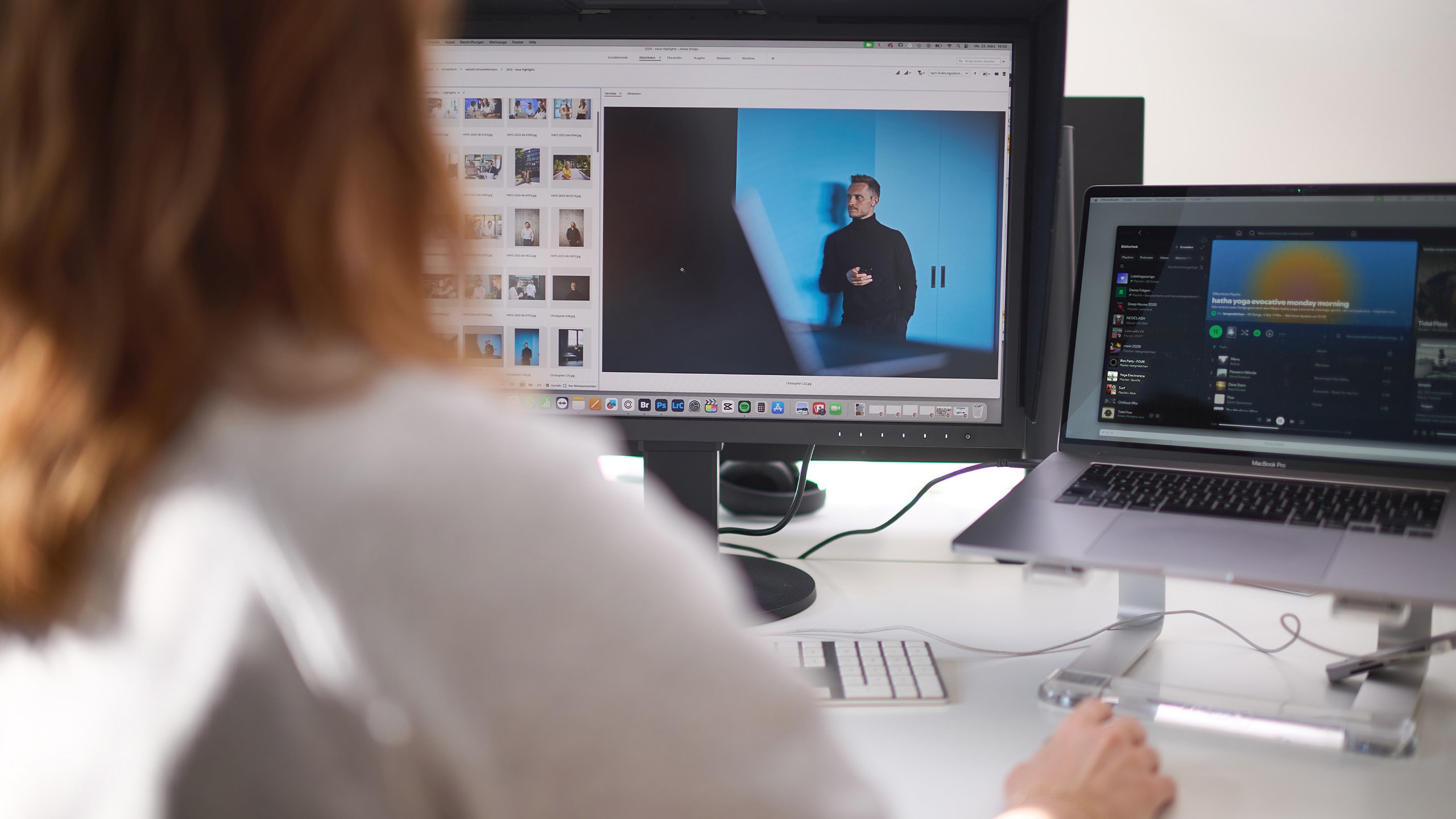
Simone Hörmann knows both. She is out early, before the city starts explaining itself. A photographer, classically trained, three years of apprenticeship. Today she works in employer branding, making pictures of how work actually feels: companies, teams, the texture of the everyday behind it. Her first question, before the camera comes out, is always the same.

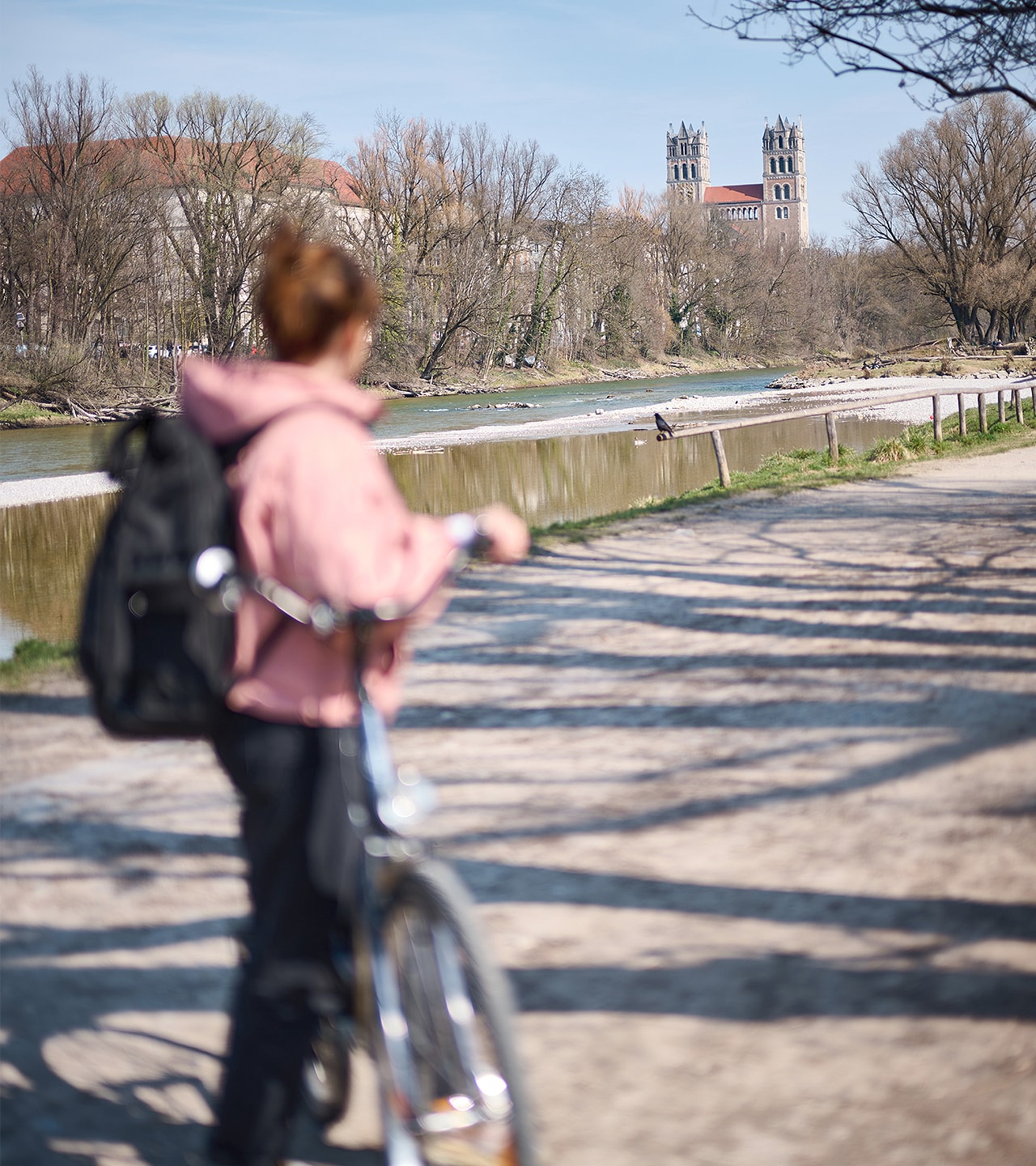
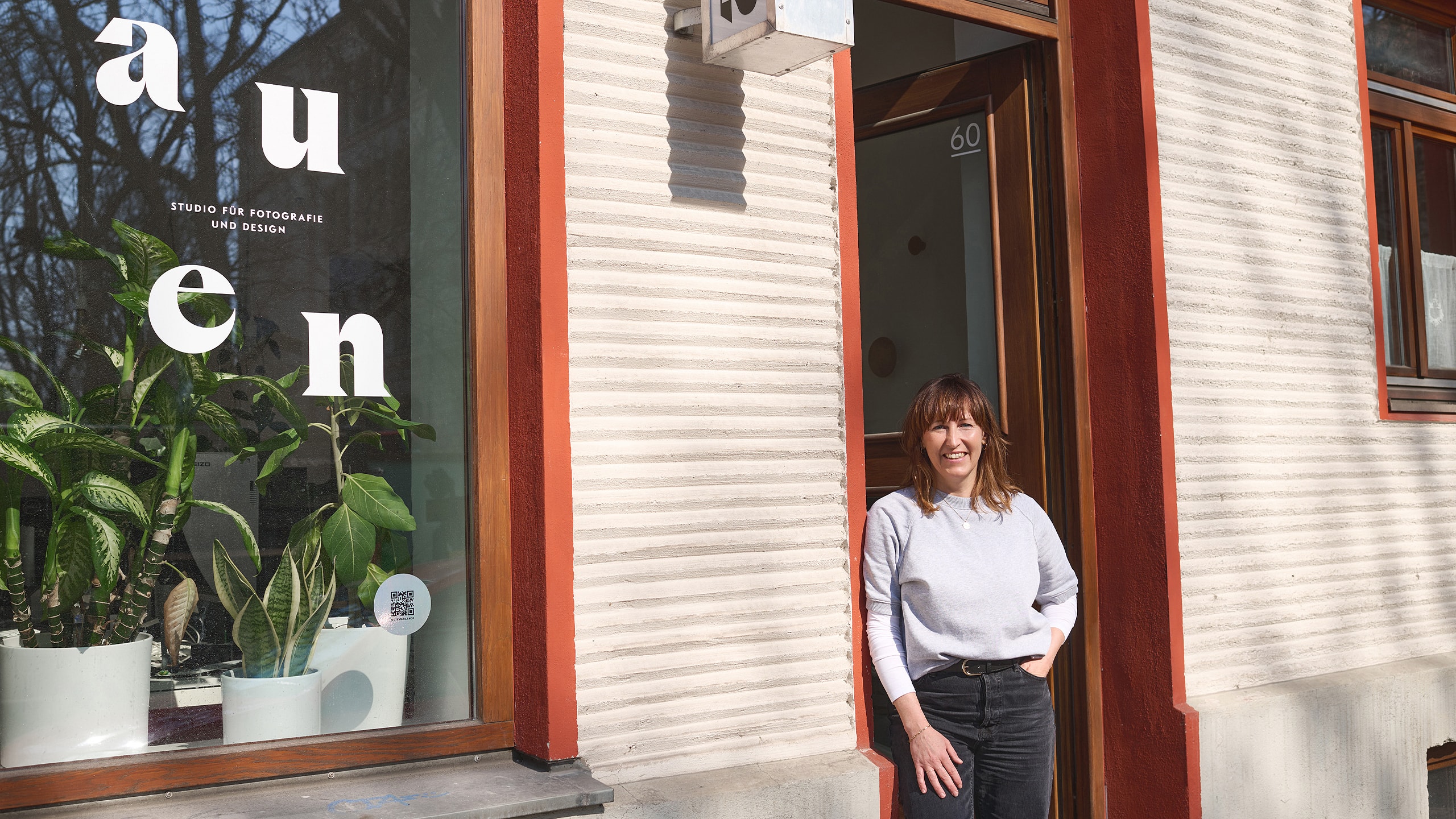
Just before nine, Simone wheels her bike out of the courtyard and heads towards the Isar. The route is the same every morning: along the Flaucher, almost entirely through green, ten minutes to Auenstraße. At that hour, Munich reveals a side most people never see. Quiet, green, nearly rural. No stress energy, as she puts it. Just the river and the morning.

"I used to have a studio where I'd get in the car. Then you step out, walk in, and haven't even taken a breath yet. Now I have those ten minutes outside before everything starts. That really does me good."

Simone has lived at the Flaucher, right on the bank of the Isar, for fifteen years, in a small flat. In Munich, you hold on to an affordable place when you have one. The trade-off for a location she wouldn't give up for anything. In the building lives a seventy-three-year-old neighbour who has become something like a second mother over the years. Popping by for coffee, going for walks. The Flaucher itself has two faces: meditative and quiet in the mornings, in summer a single gathering point of smoke, swimmers, and music. "Those things belong together," she says. "It's just a great spot."

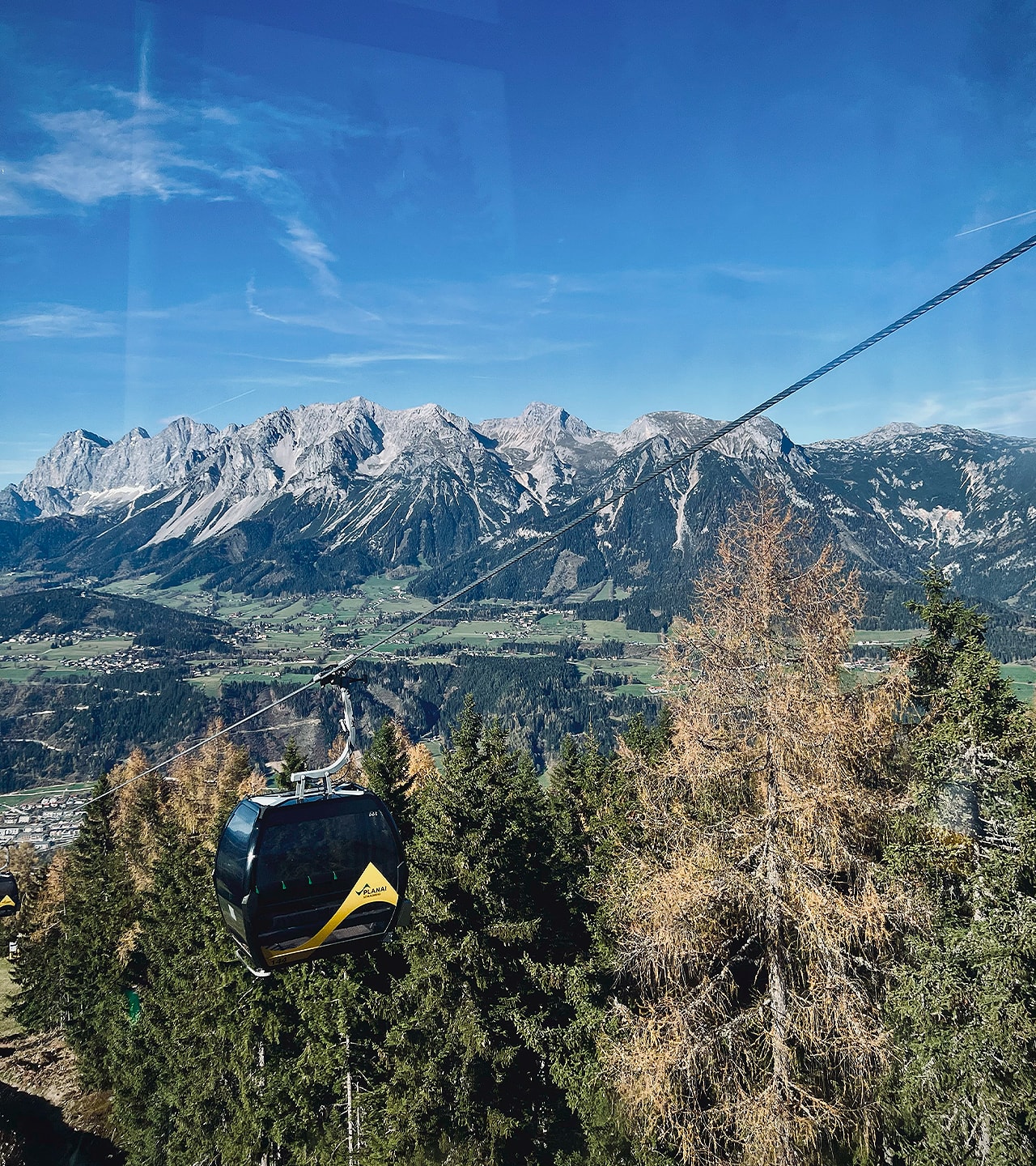
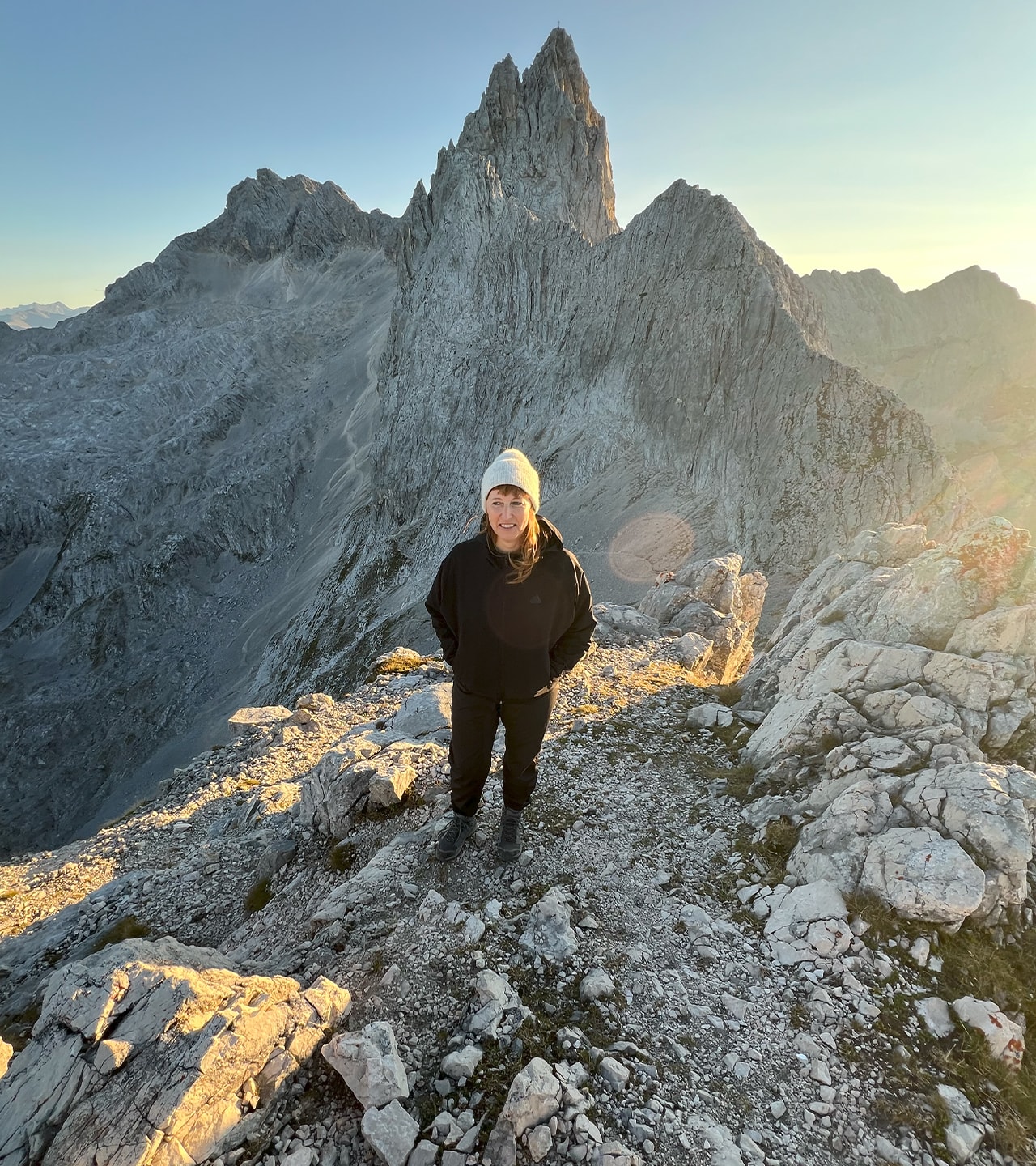
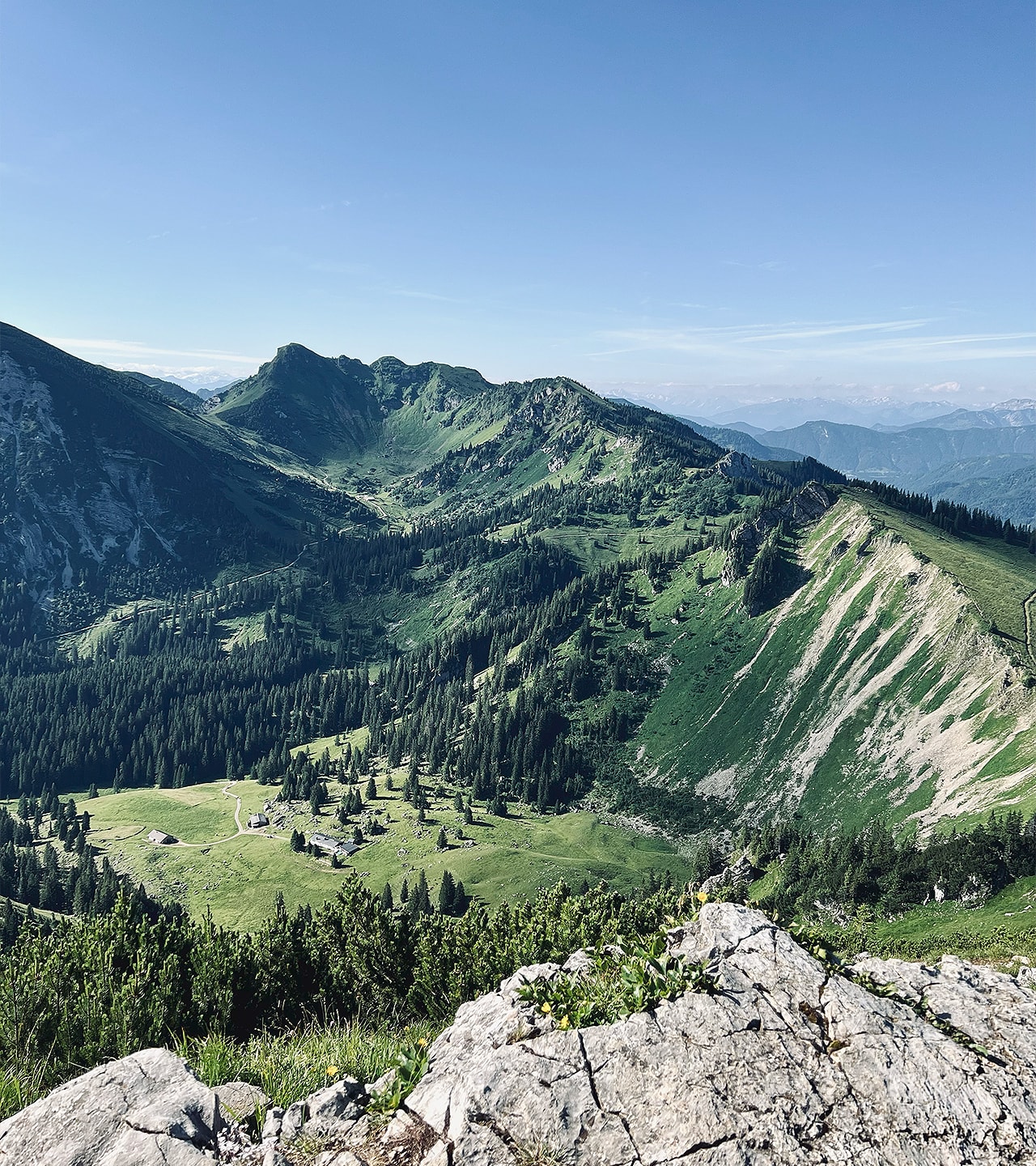
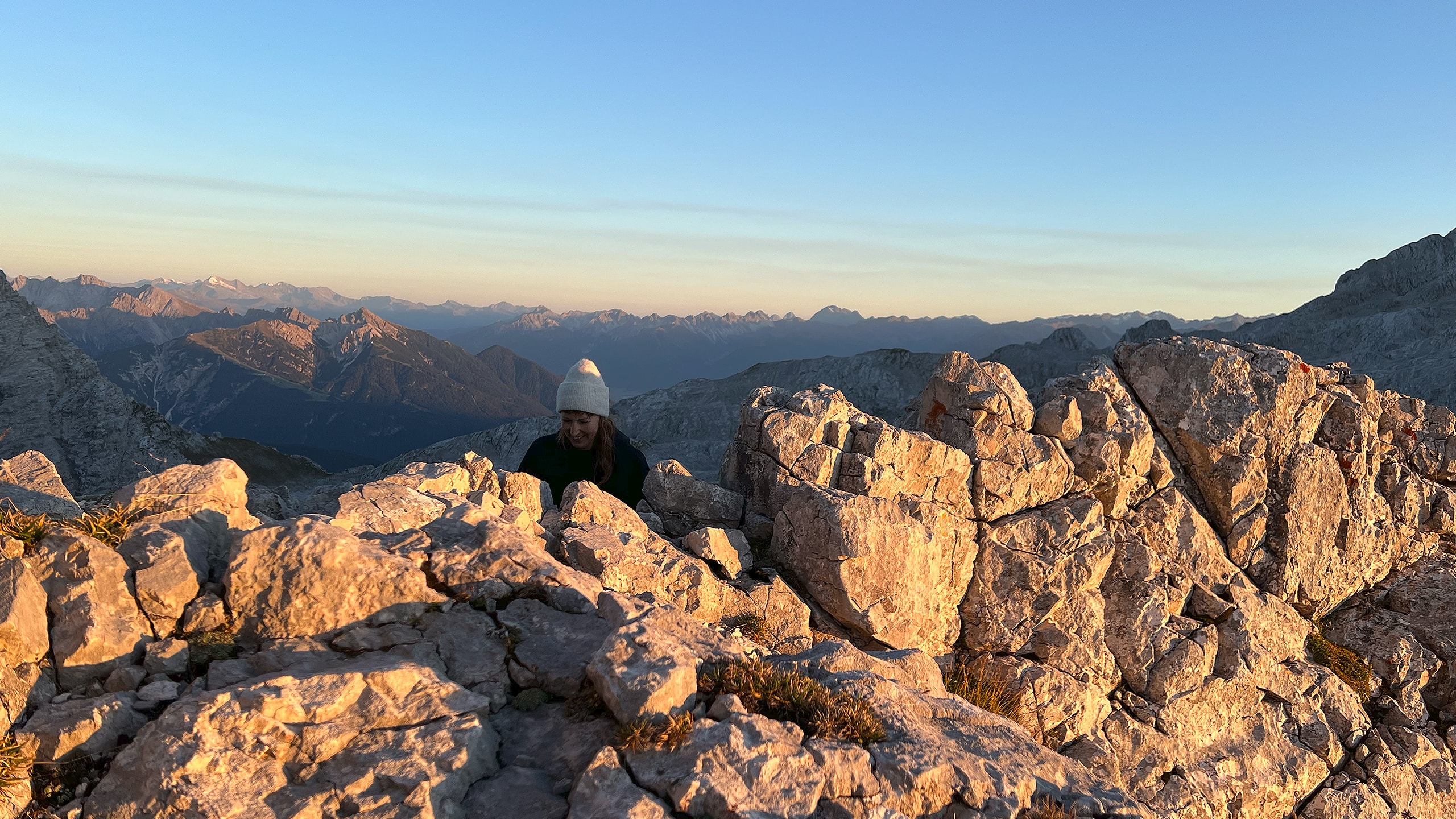
Munich is a big village. You can get anywhere in half an hour. It happens that you run into people twice who you don't even know. Connections make the city smaller than it is. Simone, who grew up in the Allgäu, has known the mountains since childhood. Since living in Munich, she still discovers new corners. The Ammergau Alps, for instance. In summer she rides up to the Aiplspitz at Spitzingsee — sometimes with company, often alone, preferably early in the morning, before the others arrive. "That's mine," she says, meaning less the summit than the interplay with the landscape and the particular quiet that comes into being on the way up.
Before the Profession
"Being a student was just great"


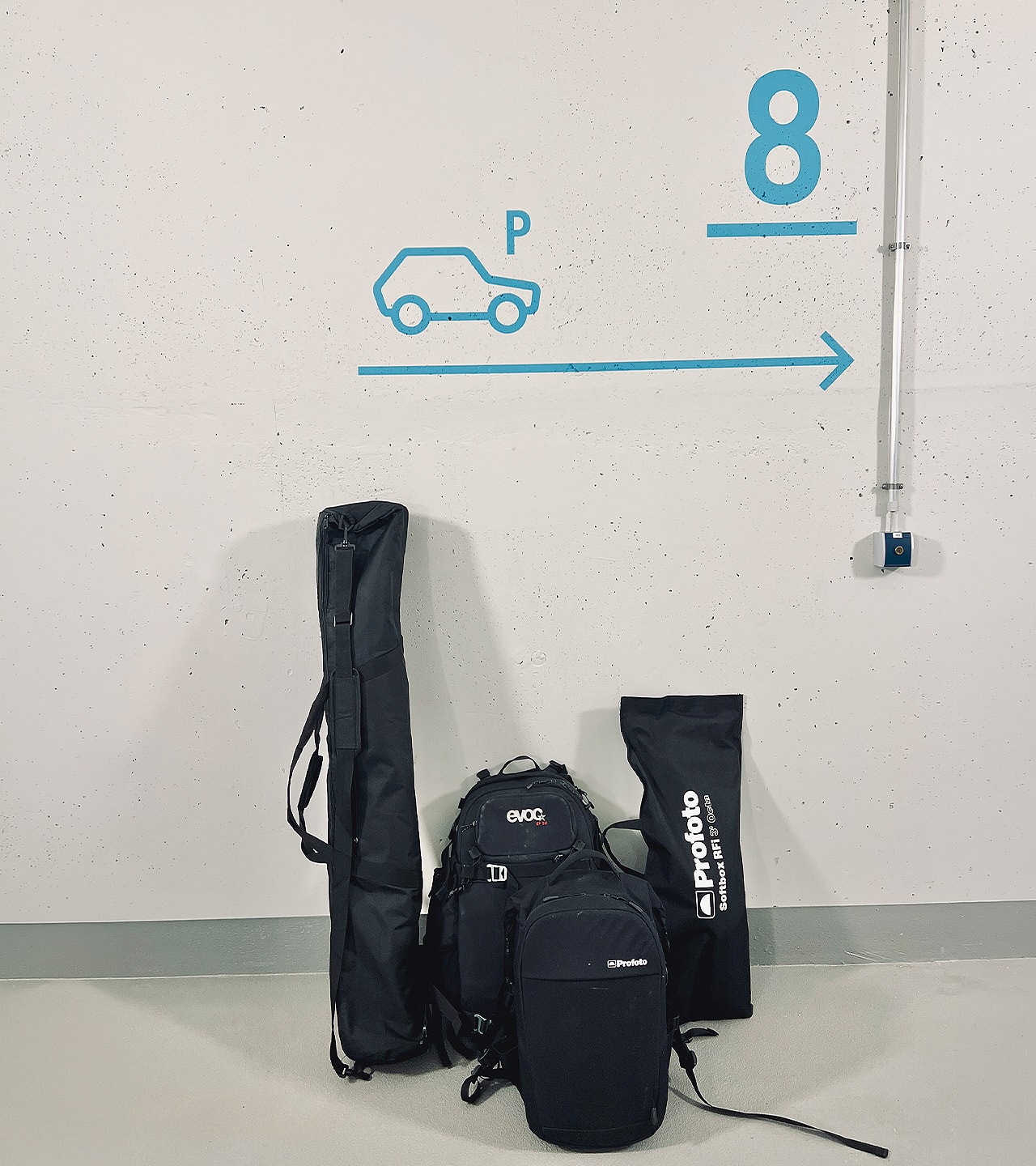
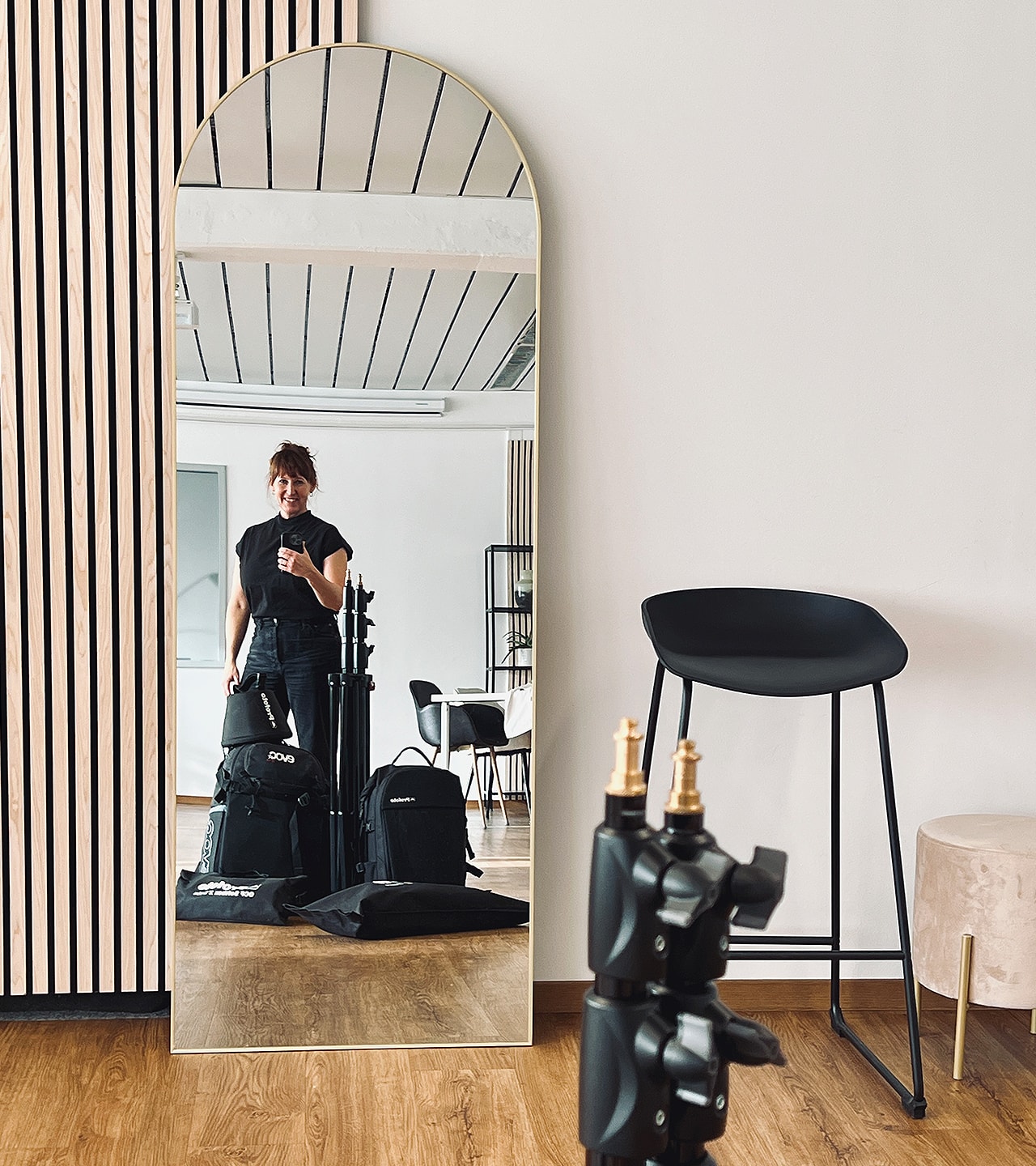
Her studio in Auenstraße she shares with four others: two photographers, a designer, someone in brand strategy. It's not a sleek loft, not co-working with unlimited coffee. It's an office with character and a landlord who stands for stability rather than return on investment. Not everyone is there every day, but usually two or three are. At lunchtime they cook together. And when a shoot comes up, someone from the office often comes along as an assistant. Not out of calculation, but because you know each other, know how the other works and what they need. The moves are there without having to talk much about it.

At school, and here her path and mine cross for the first time, there was no talk of photography yet. "Being a student was just great," she says. The camera came later, the profession later still. First a formal apprenticeship: photographer as a craft, three years. Then assisting a food photographer who brought her into the still-life corner. After that, product and industrial: jewellery, refrigerators, machinery. The principles always the same; only the scale changes. "Assisting different photographers means seeing how different people approach the same thing. That's your real education."

The move into freelancing was gradual. Her own commissions, more and more, until the diary was full enough to commit to it entirely.

Then came the dip. 2023, the aftershock of the pandemic. Not the pandemic itself, but what built up in its wake: a creeping emptiness. Fewer enquiries, then none. For someone who works as a solo freelancer, that's more than a financial problem. It's the question of whether you're still standing in the right place. That year, Simone asked herself questions she'd rather not have had to ask. Whether photography was still what she wanted to do. Whether she wanted to carry on at all. And if so, as what.
"It's like when you broadcast new seed. It really took quite a while before anything responded."

In the end came a clarity that hadn't been there before. Away from the general offer, towards a point: employer branding, working with people inside companies. "It's a bit wild, holding on to what you want to do when nothing is moving. But I came to the conclusion: I want to do this. I'm putting my energy there."
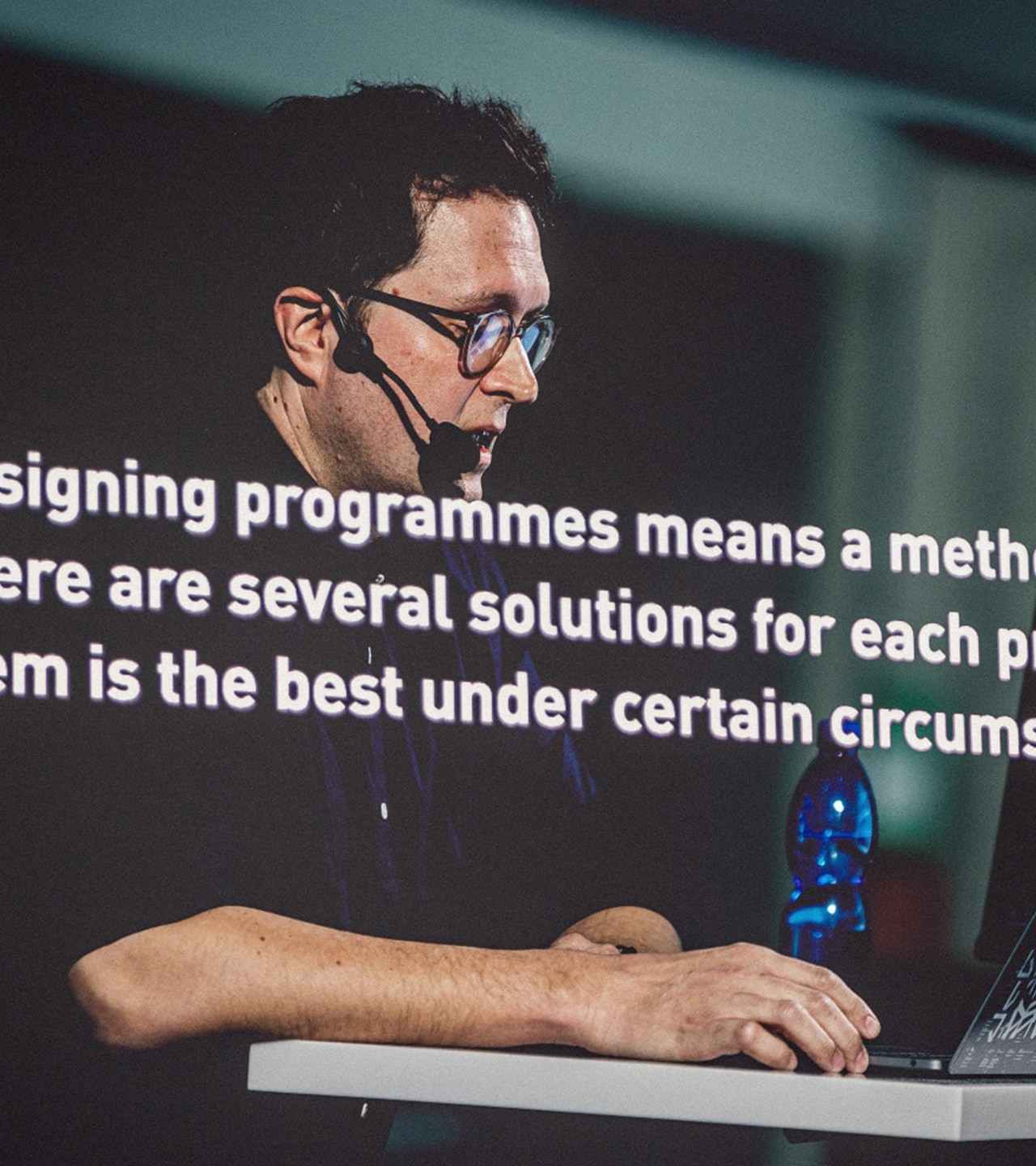
Anyone who watches Simone work quickly understands why clients come back.

During a portrait series that came together as part of a TFO project, everyone involved was working together in that particular constellation for the first time. The connection was a shared professional understanding, not shared projects. Short briefings, no long warm-up. What became clear: Simone wasn't only reading the room, light, angle, background. Over two shoot days she was reading the emotional temperature. She recognised the moments when she could fire the shutter, and the situations where it was better to lower the camera and go and get a coffee. The portraits that emerged were deliberately candid: not camera-facing, the subjects looking past the lens, and that was precisely what gave them something open, incidental, and at the same time very alive. Simone hadn't known any of the subjects beforehand as is usually the case. Still, she worked out each personality individually, as though she had photographed each one before.

A question she likes to use to start conversations, she's since turned it into a regular post on her channel: What did you have for breakfast today?

"Some photographers say: stand like this, click, click. Maybe it's a nice position that makes the body look good. But that's not how I work. I say it from within the movement, so nobody feels hemmed in."

The moment a camera enters a room, something shifts. So Simone creates ways for people to carry on as normally as possible. The images happen in between. And sometimes she finds herself quietly delighted by things that have little to do with the actual brief: a reflection on a surface, a fall of light that transforms a room for one second. The camera should become incidental. The attention shouldn't.
Fairytale-like Dolomites
"It has such a warmth to it, such character. Perfect in its imperfection."


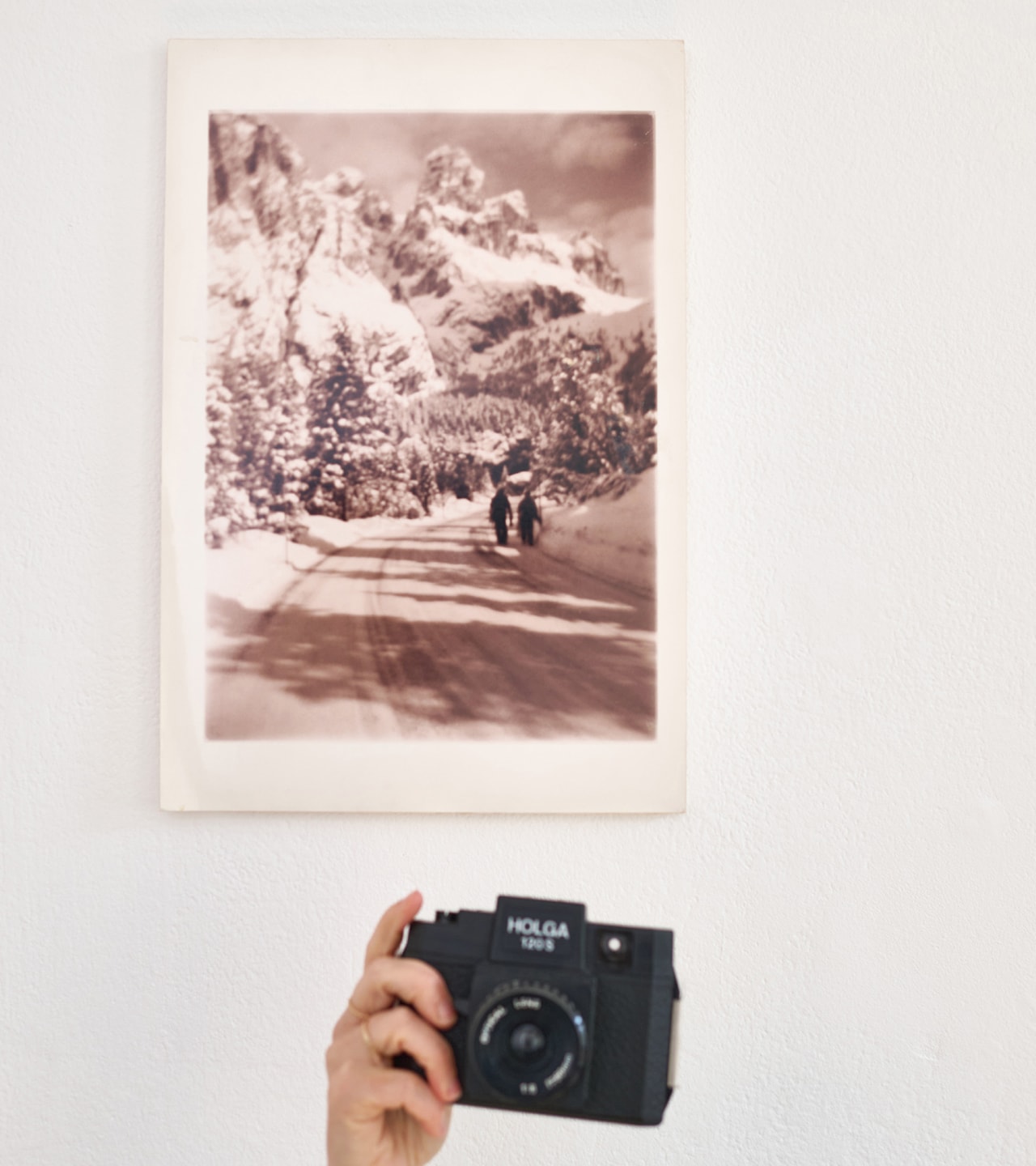
Towards the end of our conversation, Simone stands up, walks through her flat, and comes back with a mounted photograph. It shows the Dolomites, taken with a plastic medium-format camera, a toy camera, as she calls it, into which you load medium-format film at the back. The image isn't sharp. The mountains bleed into one another like a memory in the process of dissolving. Fairytale-like, she says, meaning both the Dolomites and the weekend the picture was made.

"It has such a warmth to it, such character. Perfect in its imperfection."

It's the only photograph hanging in her flat. And it says more about her outlook than any portfolio could: that atmosphere matters more than sharpness. That technique is a prerequisite, but never the point.

Then comes a line that stays with you. Simone, who has spent twenty years making other people visible, says without hesitation: "I can make everything perfect for someone else. And when it comes to myself, there are blockages that aren't visible, but they're there."

Perhaps that's exactly why she's so good at making the camera feel easy for others. She knows what it's like to be on the other side.
Habitat: Munich
Simone Hörmann

Photography by Simone Hörmann
Conversation by Mario, TFO